Barcelona cruise port, Spain
The Gothic Quarter is built on the Roman town of Barcino, and the Sagrada Familia has been under construction since 1882: Gaudi knew he would not see it finished and said his client was in no hurry. The 1992 Olympics turned an industrial waterfront into a beach, which is why the city feels like it faces the sea when for centuries it did not.
Worth knowing. Gaudi was knocked down by a tram in 1926 and taken for a beggar, because of his old clothes and empty pockets. He died three days later and half the city walked behind the coffin.
What to do in Barcelona for free
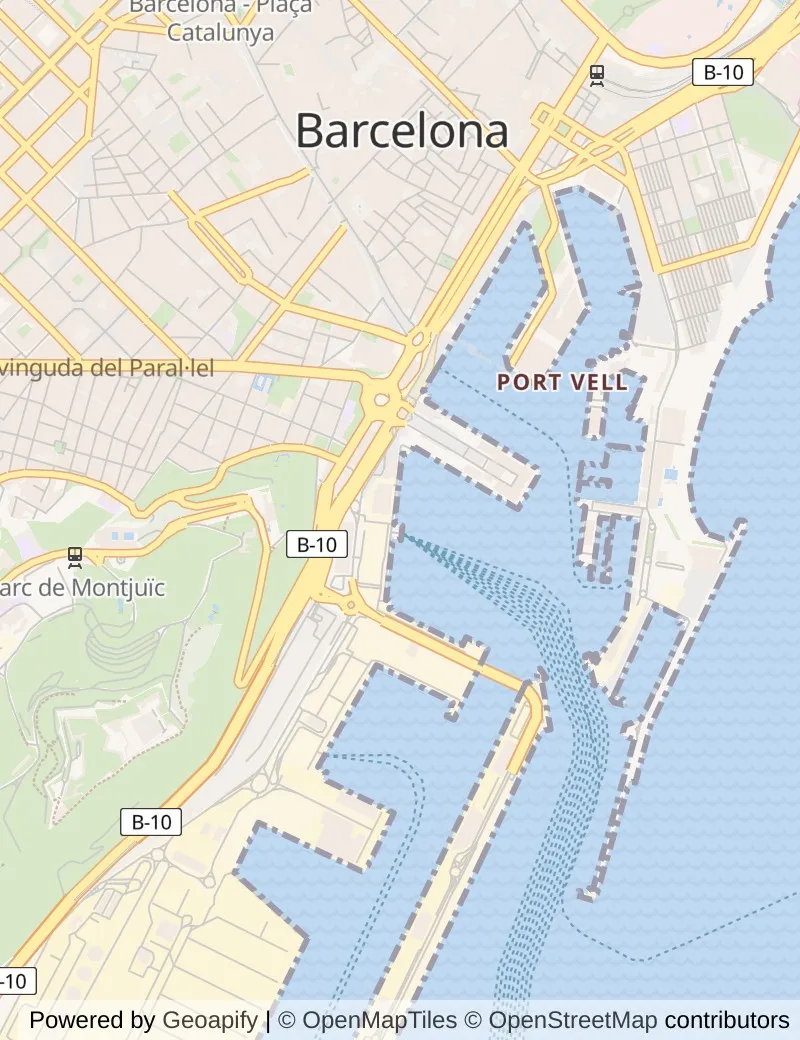
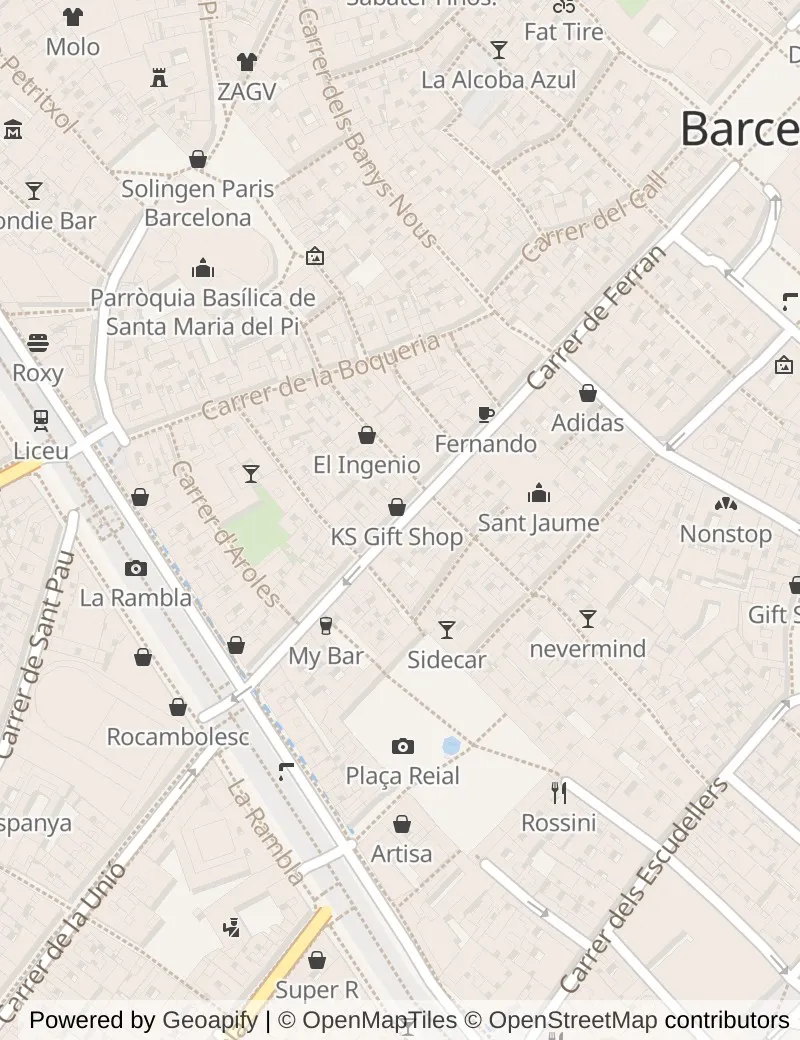
The Gothic Quarter costs nothing to walk and it is the Roman town with the medieval one built on top of it. From the bottom of the Ramblas you are in it in five minutes. The catch is the quays. They sit a long way out along the mole, so getting to that end of the Ramblas is the part you pay for.
What costs money
The ship's own excursions usually cost more than booking the same trip yourself. Two things come with the price. The ship waits for its own excursions and does not wait for you. And if the port is missed, P&O refunds its own without you asking. A trip you booked yourself is a claim on your travel insurance, so check what your policy covers. The ship sells its own trips to all of these, and the desk is open on board if you would rather do it that way. That advice points at links I am paid for, so weigh it accordingly.
I get a small commission if you book through these links. It costs you nothing extra.
The shuttle to the Columbus monument. The quays are too far out to walk from and the bus is how everybody gets in. It drops you at the bottom of the Ramblas, which is where a day here starts.
Sagrada Familia. Gaudi's church, still going up after more than a hundred and forty years. It is a metro ride or an hour on foot from the Ramblas, and it is not somewhere you can turn up and walk into.
Which ship calls at Barcelona, and when
Every call here between 15 August and 28 November 2026, with the hours ashore P&O published. These times are a guide, not a promise: the captain gives the real ones the day before.
| Ship | Sails | Day | Ashore |
|---|---|---|---|
| Arvia | 16 August 2026, 14 nights | Day 10 | 08:00 to 19:30 |
| Arvia | 13 September 2026, 14 nights | Day 10 | 08:00 to 19:30 |
| Arvia | 27 September 2026, 13 nights | Day 9 | 08:00 to 19:00 |
| Arvia | 10 October 2026, 13 nights | Day 9 | 08:00 to 19:00 |
| Arvia | 20 June 2027, 14 nights | Day 10 | 07:30 to 19:00 |
| Arvia | 4 July 2027, 14 nights | Day 6 | 07:30 to 19:00 |
| Arvia | 18 July 2027, 14 nights | Day 10 | 07:30 to 19:00 |
| Arvia | 12 September 2027, 14 nights | Day 6 | 07:30 to 19:00 |
How long you get ashore in Barcelona
The published times give you between about 11 and 11.5 hours alongside, depending on the sailing. Take off the time it takes a few thousand people to get off, and the time you need to be back on board before the ship leaves, and that is your day. P&O give the real hours the day before, and the all-aboard time is earlier than the departure time.
The other stops on these cruises
Every one of these is on at least one of the sailings that calls at Barcelona.
- AlicanteSanta Barbara castle stands on the bare rock of Benacantil straight above the town, held in turn by Carthaginians, Romans and Moors because whoever had the rock had the harbour.
- Cadiz (tours to Seville)Probably the oldest continuously lived-in city in western Europe: the Phoenicians founded Gadir here around 1100 BC.
- Civitavecchia (for Rome)Rome's port since Trajan built it in 106, and his harbour walls are still under the modern quays.
- IbizaFounded by Carthage in 654 BC, and a World Heritage site for the Renaissance walls of Dalt Vila and the Phoenician village at Sa Caleta rather than for anything that happened after 1987.
- La CorunaThe Spanish Armada sailed from this harbour in 1588, and it is still guarded by the Tower of Hercules, a Roman lighthouse from about the year 100 which has never stopped working: the oldest one on earth still doing its job.
- La Seyne-sur-Mer (for Toulon)A shipbuilding town across the water from Toulon, France's main Mediterranean naval base.
- La Spezia (tours to Florence /Pisa)A naval city at the head of a gulf, and the reason ships call is what sits either side of it: the Cinque Terre villages up the coast, Pisa and Florence inland.
- MalagaPicasso was born here in 1881, in a flat on the Plaza de la Merced, and there is a museum of his work a few streets away.
- MarseillesThe oldest city in France, founded by Greek sailors from Phocaea around 600 BC as Massalia, and it has faced the sea rather than Paris ever since.
- VigoEurope's biggest fishing port by weight landed, and it smells honestly of it near the market.
Money and language in Spain
Euro (EUR, €). Cards are normal, though a small market stall or a taxi may want coins. The Canary Islands are Spain and use the euro too. Onboard is always charged in sterling, so this only matters ashore.
English is common in the ports and thinner a street back.
| English | Spanish | Say it |
|---|---|---|
| Hello | Hola | OH-la |
| Goodbye | Adiós | ah-DYOSS |
| How much? | ¿Cuánto cuesta? | KWAN-toh KWESS-ta |
| Thank you | Gracias | GRA-syass, and GRA-thyass on the mainland if you want to blend in |
| Please | Por favor | por fa-VOR |
Free, and it works with no internet. Give it the dates you sail and it works out your own stops and saves the street map for each one. It shows you round the ship too.
All the ports written up so far, the things to do before you sail, or the ship pages for Iona and Arvia.